


What is the difference between a gyuto knife and a bread knife?
Jan 02, 2026
Leave a message
When it comes to kitchen knives, two types that often stand out are the gyuto knife and the bread knife. As a gyuto knife supplier, I've had the opportunity to closely examine the features and functions of both, and I'm excited to share the key differences between them.
Blade Design and Shape
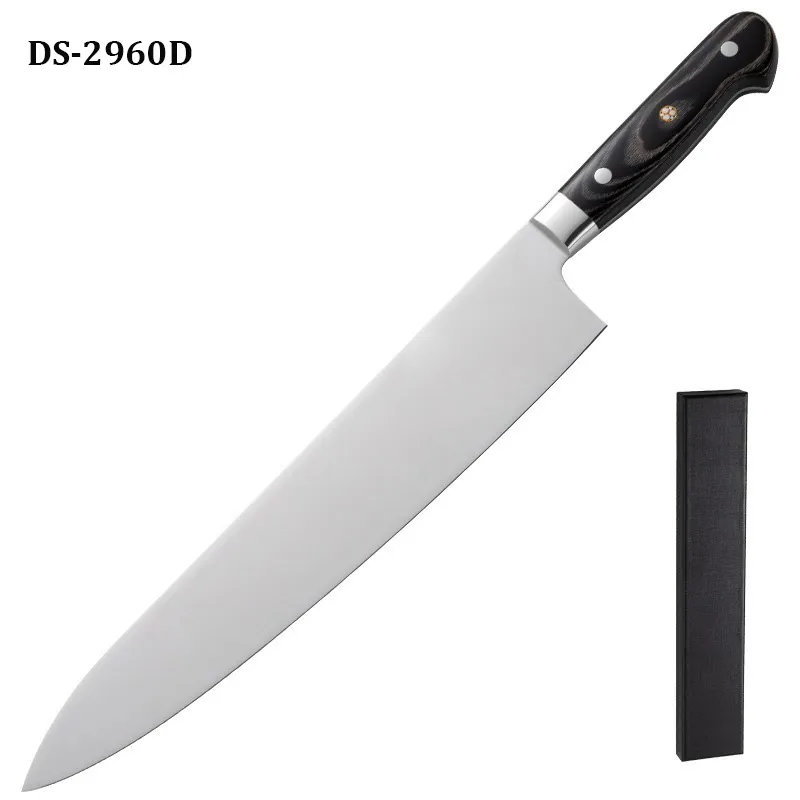
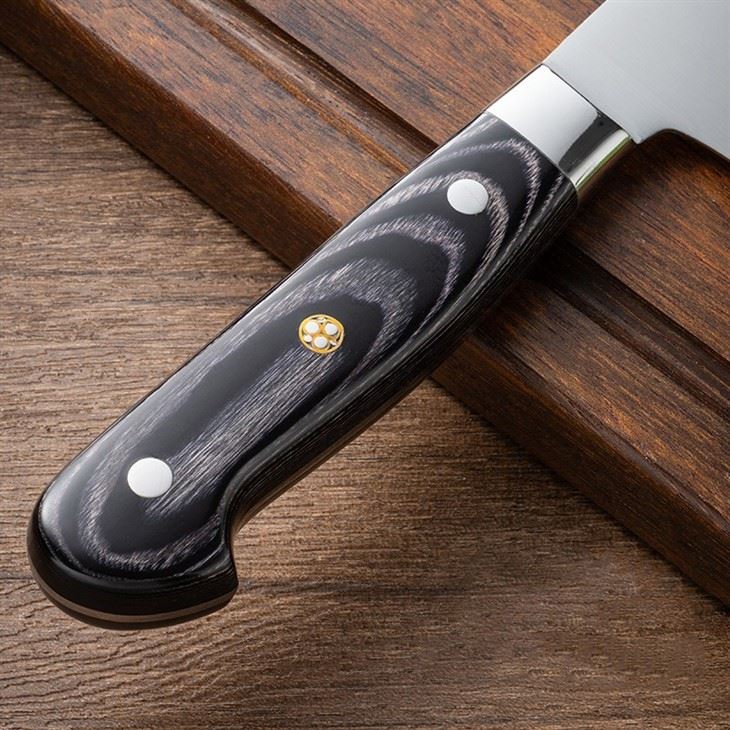
The most obvious difference between a gyuto knife and a bread knife lies in their blade design. A gyuto knife typically has a straight, sharp blade with a single bevel or a double bevel. The blade is usually around 6 to 10 inches in length, with a narrow and pointed tip. This design allows for precise cutting, slicing, and chopping of various ingredients, including vegetables, fruits, meats, and fish.
On the other hand, a bread knife has a serrated blade with a series of small, sharp teeth. The blade is usually longer than that of a gyuto knife, ranging from 8 to 12 inches. The serrated edge is designed to cut through bread and other soft, crusty foods without crushing them. The teeth of the blade act like tiny saws, making it easier to slice through tough exteriors while leaving the interior intact.
Cutting Techniques
The blade design of each knife also affects the cutting techniques used. A gyuto knife is commonly used for the "pinch grip" technique, where the chef holds the blade between the thumb and index finger at the base of the blade, with the remaining fingers wrapped around the handle. This grip provides precise control and allows for a rocking motion when cutting. The gyuto knife is ideal for tasks that require accuracy and finesse, such as julienning vegetables or slicing sashimi.
In contrast, a bread knife is used with a sawing motion. The serrated edge of the blade allows for a smooth, effortless cut through bread and other soft foods. The sawing motion helps to prevent the bread from being crushed or squished, resulting in clean, even slices. Bread knives are also useful for cutting through other foods with a tough exterior, such as cakes, pies, and melons.
Versatility
While both knives have their specific uses, a gyuto knife is generally more versatile than a bread knife. The straight blade of a gyuto knife can be used for a wide range of cutting tasks, from chopping and slicing to dicing and mincing. It is a staple in many professional kitchens and is often considered a must-have tool for home cooks as well.
A bread knife, on the other hand, is primarily designed for cutting bread and other soft, crusty foods. While it can be used for other tasks, such as cutting cakes or melons, its serrated edge is not as effective for precise cutting or chopping. However, if you are an avid baker or enjoy making your own bread, a bread knife is an essential tool in your kitchen.
Maintenance
Another difference between the two knives is their maintenance requirements. A gyuto knife requires regular sharpening to maintain its sharp edge. The straight blade can be sharpened using a sharpening stone or a honing rod. It is important to follow the correct sharpening technique to ensure that the blade remains sharp and durable.
A bread knife, on the other hand, does not require as much maintenance as a gyuto knife. The serrated edge of the blade is self-sharpening to some extent, as the teeth of the blade are designed to stay sharp even after repeated use. However, it is still important to clean the blade regularly and avoid using it on hard surfaces, as this can damage the teeth of the blade.
Our Gyuto Knife Offerings
As a gyuto knife supplier, we offer a wide range of high-quality gyuto knives to meet the needs of professional chefs and home cooks alike. Our knives are made from the finest materials and are crafted with precision and care to ensure optimal performance.
One of our popular products is the 8-Inch Forged Glossy Beef Knife. This knife features a forged blade with a glossy finish, making it both durable and stylish. The 8-inch blade is perfect for slicing and cutting beef, as well as other meats and vegetables.
Another great option is the 8-Inch Damascus Steel Gyuto Knife. This knife is made from high-quality Damascus steel, which is known for its strength and sharpness. The unique pattern of the Damascus steel also adds a touch of elegance to the knife. The 8-inch blade is ideal for a variety of cutting tasks, from slicing sashimi to chopping vegetables.
We also offer the 8-inch Forged Gyuto Knife. This knife is forged from a single piece of high-carbon stainless steel, making it strong and durable. The 8-inch blade is perfect for everyday use in the kitchen, whether you're slicing, dicing, or chopping.
Conclusion
In conclusion, the gyuto knife and the bread knife are two distinct types of kitchen knives with different blade designs, cutting techniques, versatility, and maintenance requirements. While a gyuto knife is more versatile and can be used for a wide range of cutting tasks, a bread knife is specifically designed for cutting bread and other soft, crusty foods.
If you're in the market for a new kitchen knife, I encourage you to consider our gyuto knives. Our knives are made from the finest materials and are crafted with precision and care to ensure optimal performance. Whether you're a professional chef or a home cook, our gyuto knives are sure to become a valuable addition to your kitchen.
If you're interested in learning more about our gyuto knives or would like to discuss your specific needs, please don't hesitate to contact us. We're here to help you find the perfect knife for your kitchen.
References
- "The Joy of Cooking" by Irma S. Rombauer, Marion Rombauer Becker, and Ethan Becker
- "Mastering the Art of French Cooking" by Julia Child, Louisette Bertholle, and Simone Beck
- "The Professional Chef" by The Culinary Institute of America
Send Inquiry