


What is the difference between a gyuto knife and a steak knife?
Oct 13, 2025
Leave a message
Hey there, fellow kitchen enthusiasts! Today, I'm gonna dive into the world of knives and talk about the difference between a gyuto knife and a steak knife. As a gyuto knife supplier, I've seen firsthand how these two types of knives serve different purposes in the kitchen. So, let's get started!
What's a Gyuto Knife?
First off, let's talk about the gyuto knife. A gyuto is a traditional Japanese chef's knife that's often referred to as the "universal" knife in the kitchen. It's designed to handle a wide range of tasks, from slicing and dicing vegetables to cutting meat and fish.
One of the key features of a gyuto knife is its blade shape. The blade is typically long and narrow, with a straight edge that tapers to a point. This shape allows for precise cuts and makes it easy to slice through food with minimal resistance. The blade is also usually thin, which helps to reduce friction and prevent food from sticking.
Another important aspect of a gyuto knife is its handle. Gyuto knives often have a traditional Japanese-style handle, which is typically made from wood or synthetic materials. The handle is designed to provide a comfortable grip and allow for precise control of the knife.
What's a Steak Knife?
Now, let's move on to the steak knife. As the name suggests, a steak knife is specifically designed for cutting steak. It's typically a smaller knife, with a blade that's around 4 to 6 inches long.
The blade of a steak knife is usually serrated, which means it has a series of small teeth along the edge. These teeth help to grip the meat and make it easier to cut through tough fibers. The serrated edge also helps to prevent the meat from tearing or shredding, which can make it more difficult to eat.
In addition to its serrated edge, a steak knife often has a sturdy handle that provides a comfortable grip. The handle is usually made from materials like wood, plastic, or metal, and it's designed to withstand the pressure of cutting through steak.
Key Differences Between a Gyuto Knife and a Steak Knife
Now that we've covered the basics of what a gyuto knife and a steak knife are, let's take a closer look at the key differences between the two.
Blade Shape and Edge
The most obvious difference between a gyuto knife and a steak knife is the shape and edge of the blade. As we mentioned earlier, a gyuto knife has a straight, thin blade with a sharp edge. This makes it ideal for slicing through a variety of foods, including vegetables, meat, and fish.
On the other hand, a steak knife has a serrated blade with a series of small teeth. This makes it better suited for cutting through tough meat, like steak. The serrated edge helps to grip the meat and make it easier to cut through the fibers.
Size and Weight
Another difference between a gyuto knife and a steak knife is the size and weight. A gyuto knife is typically larger and heavier than a steak knife. The larger size and weight of a gyuto knife make it more suitable for handling larger pieces of food and performing more heavy-duty tasks in the kitchen.
A steak knife, on the other hand, is smaller and lighter. This makes it more maneuverable and easier to handle when cutting through a single piece of steak.
Purpose
The purpose of a gyuto knife and a steak knife is also different. As we mentioned earlier, a gyuto knife is a versatile knife that can be used for a variety of tasks in the kitchen. It's a great all-purpose knife that can handle everything from slicing vegetables to cutting meat and fish.
A steak knife, on the other hand, is specifically designed for cutting steak. While it can be used to cut other types of meat, it's not as versatile as a gyuto knife and is best suited for its intended purpose.
When to Use a Gyuto Knife and When to Use a Steak Knife
Now that we've covered the differences between a gyuto knife and a steak knife, let's talk about when to use each one.
When to Use a Gyuto Knife
A gyuto knife is a great choice for a variety of tasks in the kitchen. Here are some situations where you might want to use a gyuto knife:
- Slicing Vegetables: The thin, sharp blade of a gyuto knife makes it perfect for slicing vegetables into thin, even pieces. Whether you're making a salad, stir-fry, or soup, a gyuto knife can help you get the job done quickly and easily.
- Cutting Meat and Fish: A gyuto knife is also great for cutting meat and fish. The thin blade and sharp edge make it easy to slice through meat and fish with minimal resistance, and the precise control of the knife allows you to make clean, accurate cuts.
- Dicing and Chopping: If you need to dice or chop ingredients, a gyuto knife is a great choice. The long blade and sharp edge make it easy to make quick, efficient cuts, and the comfortable handle provides good control.
When to Use a Steak Knife
A steak knife is specifically designed for cutting steak, so it's the obvious choice when you're serving steak for dinner. Here are some situations where you might want to use a steak knife:
- Cutting Steak: The serrated edge of a steak knife makes it easy to cut through tough steak fibers without tearing or shredding the meat. This makes it easier to eat and ensures that the steak retains its flavor and texture.
- Serving Steak: A steak knife is also a great choice for serving steak. The smaller size and lighter weight of the knife make it easy to handle and allow you to serve the steak to your guests with precision.
Our Gyuto Knives
As a gyuto knife supplier, I'm proud to offer a range of high-quality gyuto knives that are perfect for any kitchen. Our knives are made from the finest materials and are designed to provide a comfortable grip and precise control.
One of our most popular gyuto knives is the 8-inch Forged Gyuto Knife. This knife features a forged blade that's made from high-carbon stainless steel, which provides excellent durability and corrosion resistance. The blade is also hand-sharpened to a razor-sharp edge, which ensures precise cuts and makes it easy to slice through food with minimal resistance.
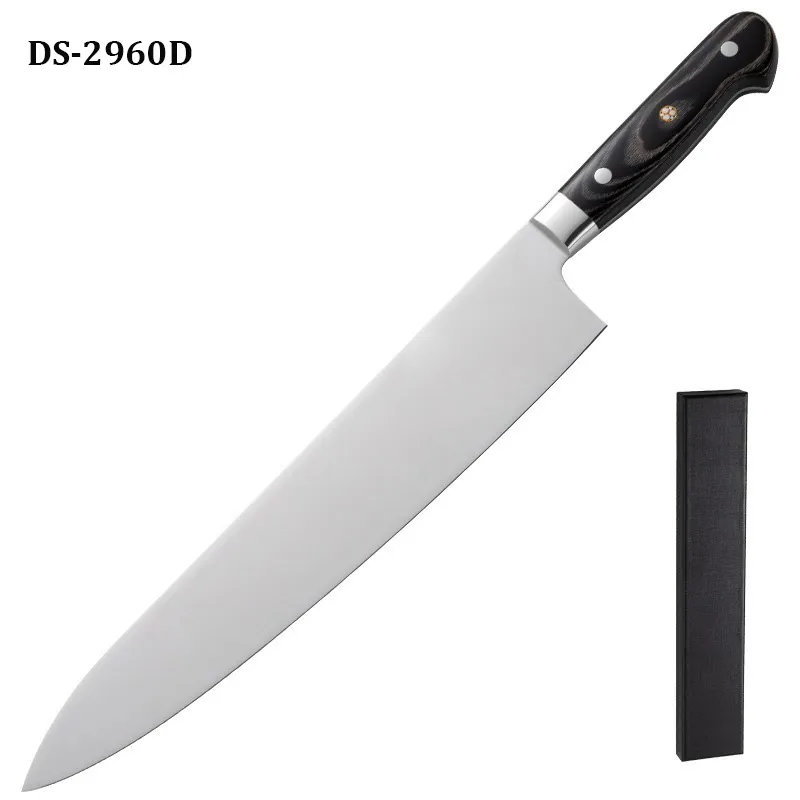

Another great option is the 8-Inch 40Cr13 Stainless Steel Beef Knife. This knife is made from 40Cr13 stainless steel, which is a high-quality material that's known for its strength and durability. The blade is also serrated, which makes it perfect for cutting through tough meat, like steak.
Finally, we also offer the 8-Inch Forged Glossy Beef Knife. This knife features a forged blade that's made from high-carbon stainless steel, which provides excellent durability and corrosion resistance. The blade is also polished to a glossy finish, which gives it a sleek and stylish look.
Conclusion
In conclusion, a gyuto knife and a steak knife are two very different types of knives that serve different purposes in the kitchen. A gyuto knife is a versatile knife that can be used for a variety of tasks, while a steak knife is specifically designed for cutting steak.
If you're looking for a high-quality gyuto knife, I encourage you to check out our selection. We offer a range of knives that are made from the finest materials and are designed to provide a comfortable grip and precise control. Whether you're a professional chef or a home cook, our gyuto knives are sure to meet your needs.
If you're interested in purchasing our gyuto knives or have any questions about our products, please don't hesitate to contact us. We'd be happy to help you find the perfect knife for your kitchen.
References
- "Gyuto Knife: The Japanese Chef's Knife." The Spruce Eats.
- "Steak Knife: A Guide to Choosing the Best One." The Spruce Eats.
Send Inquiry