


How do I adjust the angle on a knife sharpener?
Dec 29, 2025
Leave a message
Adjusting the angle on a knife sharpener is a crucial skill that can significantly impact the performance and longevity of your knives. As a supplier of high-quality knife sharpeners, I understand the importance of getting this right. In this blog post, I'll share some insights on how to adjust the angle on different types of knife sharpeners, ensuring you achieve the perfect edge every time.
Understanding the Basics of Knife Sharpening Angles
Before we dive into the adjustment process, it's essential to understand why the sharpening angle matters. The angle at which you sharpen a knife determines the sharpness, durability, and cutting performance of the blade. A smaller angle will result in a sharper edge but may be less durable, while a larger angle will create a more robust edge but may not be as sharp.
The ideal sharpening angle varies depending on the type of knife and its intended use. For example, Japanese-style knives typically require a smaller angle (around 15-20 degrees per side), while Western-style knives often work best with a larger angle (20-25 degrees per side). It's important to research the recommended angle for your specific knife to achieve the best results.
Adjusting the Angle on a Wet Stone Knife Sharpener
Wet stone knife sharpeners are a popular choice among professional chefs and home cooks alike. They offer a high level of control and precision, allowing you to achieve a razor-sharp edge. Here's how you can adjust the angle on a wet stone knife sharpener:
- Choose the Right Stone: Wet stone knife sharpeners come in different grits, each designed for a specific stage of the sharpening process. Coarse grit stones (around 200-400 grit) are used for initial shaping and removing nicks, while fine grit stones (1000-8000 grit) are used for honing and polishing the edge. Select the appropriate stone based on the condition of your knife.
- Set Up the Stone: Place the wet stone on a stable surface and soak it in water for at least 10-15 minutes. This will prevent the stone from drying out during the sharpening process and ensure a smooth, consistent edge.
- Determine the Angle: As mentioned earlier, the ideal sharpening angle depends on the type of knife. Use a sharpening guide or a protractor to measure and set the angle. Most wet stone knife sharpeners come with a built-in angle guide, which makes this process easier.
- Sharpen the Knife: Hold the knife at the desired angle and place the blade on the stone. Apply light pressure and move the knife in a smooth, circular motion, starting from the heel of the blade and working towards the tip. Repeat this process on both sides of the blade until you achieve the desired sharpness.
If you're interested in a high-quality wet stone knife sharpener, check out our Wholesale Wet Stone Profissional Kitchen Angle Knife Sharpener Professional Portable Rolling Knife Sharpener. It's designed for professional use and offers precise angle adjustment for optimal results.
Adjusting the Angle on a Diamond Knife Sharpener
Diamond knife sharpeners are known for their durability and efficiency. They use diamond-coated surfaces to quickly and effectively sharpen knives. Here's how you can adjust the angle on a diamond knife sharpener:
- Select the Right Diamond Surface: Diamond knife sharpeners typically have different diamond grits, similar to wet stone sharpeners. Choose the appropriate surface based on the condition of your knife and the desired level of sharpness.
- Position the Knife: Place the knife on the diamond surface at the desired angle. Most diamond knife sharpeners have a built-in angle guide or a slot that helps you maintain the correct angle.
- Sharpen the Knife: Apply light pressure and move the knife back and forth across the diamond surface. Make sure to keep the angle consistent throughout the sharpening process. Repeat this process on both sides of the blade until you achieve the desired sharpness.
Our Knife Sharpener Diamond is a great option for those looking for a reliable and efficient diamond knife sharpener. It offers easy angle adjustment and can quickly restore the sharpness of your knives.
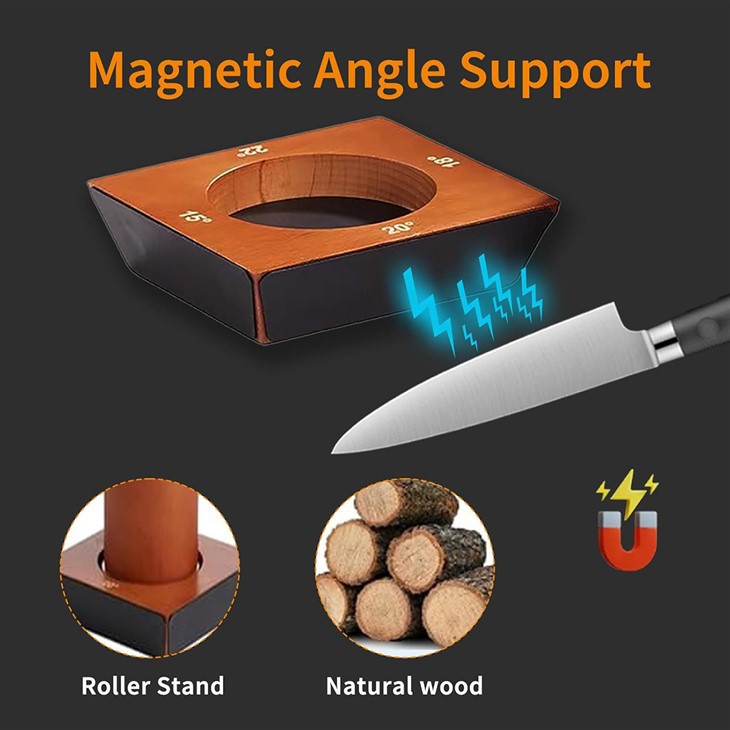

Adjusting the Angle on a Rolling Knife Sharpener
Rolling knife sharpeners are a convenient and user-friendly option for sharpening knives. They use a rolling mechanism to automatically adjust the angle and sharpen the blade. Here's how you can use a rolling knife sharpener:
- Insert the Knife: Open the rolling knife sharpener and insert the blade into the slot. Make sure the knife is positioned correctly and that the blade is in contact with the sharpening wheels.
- Roll the Knife: Slowly roll the knife back and forth through the sharpener, applying light pressure. The rolling mechanism will automatically adjust the angle and sharpen the blade as you roll.
- Repeat the Process: Repeat the rolling process several times on both sides of the blade until you achieve the desired sharpness.
Our Rolling Knife Sharpener is a popular choice for its ease of use and consistent results. It's designed to sharpen knives quickly and efficiently, making it a great addition to any kitchen.
Tips for Adjusting the Angle on a Knife Sharpener
- Practice Makes Perfect: Adjusting the angle on a knife sharpener takes practice. Don't be afraid to experiment with different angles and techniques to find what works best for you and your knives.
- Use a Sharpening Guide: A sharpening guide can be a valuable tool for maintaining a consistent angle. It helps ensure that you're sharpening the knife at the correct angle, resulting in a more precise and even edge.
- Take Your Time: Sharpening a knife is a delicate process that requires patience and attention to detail. Don't rush the process, and take the time to ensure that you're achieving the desired results.
- Maintain Your Knife Sharpener: Regularly clean and maintain your knife sharpener to ensure optimal performance. This includes removing any debris or metal shavings from the sharpening surfaces and lubricating the moving parts if necessary.
Conclusion
Adjusting the angle on a knife sharpener is an essential skill for anyone who wants to keep their knives in top condition. By understanding the basics of knife sharpening angles and following the tips outlined in this blog post, you can achieve a razor-sharp edge on your knives every time.
If you're in the market for a high-quality knife sharpener, we invite you to explore our range of products. We offer a variety of knife sharpeners, including wet stone, diamond, and rolling knife sharpeners, to suit your specific needs and preferences. Whether you're a professional chef or a home cook, our knife sharpeners are designed to provide reliable and consistent results.
If you have any questions or would like to discuss your knife sharpening needs further, please don't hesitate to contact us. We're here to help you find the perfect knife sharpener for your kitchen and provide you with the support and guidance you need to get the most out of your investment.
References
- "The Complete Guide to Knife Sharpening" by John J. Donnelly
- "Knife Sharpening Basics" by The Spruce Eats
- "How to Sharpen a Knife" by America's Test Kitchen
Send Inquiry